
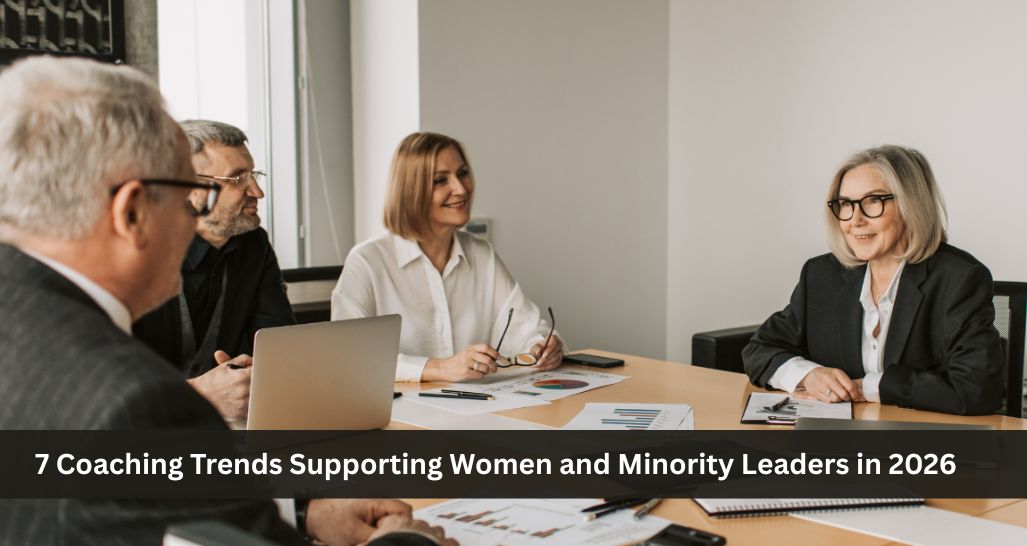
In 2026, the landscape of leadership development will transform to more effectively support women and minority leaders, demonstrating an increasing recognition of diversity, equity, and inclusion (DEI) within organizations. Coaching, specifically, is leading this transformation. Below are seven coaching trends that are significantly influencing this year.
- Identity-Affirming Coaching
Nowadays, coaches are progressively receiving training to comprehend intersectionality, which encompasses the interconnected identities associated with gender, race, ethnicity, and other factors. Identity-affirming coaching customizes support to align with each leader’s distinct experiences, assisting them in overcoming challenges and utilizing their strengths while avoiding conformity to prevailing cultural standards.
- Culturally Competent Coaches
Organizations are also placing a high priority on recruiting coaches who possess comparable backgrounds or have shown cultural fluency. This alignment fosters safer environments for women and minority leaders to address leadership challenges, microaggressions, and systemic obstacles.
- DEI-Centered Leadership Development
Coaching programs now integrate DEI principles directly into their leadership frameworks. Instead of concentrating exclusively on performance, these programs take into account systemic inequities and prepare leaders to promote inclusive policies while effectively managing their teams.
- Group Coaching for Collective Empowerment
Women and leaders from minority backgrounds frequently discover strength through common experiences. Group coaching circles, especially those formed around shared identities, provide peer support, mentorship, and affirmation. These group interactions foster a sense of community and resilience, enabling participants to flourish collectively.
- Digital Platforms Enhancing Accessibility
The advancement of technology is progressively democratizing coaching. Applications enhanced by artificial intelligence and worldwide virtual coaching platforms enable leaders from underrepresented groups, particularly those situated in remote or underserved areas, to obtain high-quality coaching irrespective of their geographical location or financial constraints.
- Sponsorship Integration
Coaching is progressively being integrated with sponsorship strategies, wherein coaches assist leaders in establishing connections with executive sponsors. This combined method enhances visibility and fosters advancement opportunities for women and minority professionals.
- Data-Driven Impact Measurement
In the year 2026, organizations will employ advanced analytics to assess the influence of coaching on Diversity, Equity, and Inclusion (DEI) objectives. The metrics utilized encompass promotion rates, retention, and employee engagement among various demographic groups. This level of transparency fosters accountability and promotes ongoing enhancement.
These coaching trends signify a transition from superficial inclusion initiatives to profound, systemic assistance. By acknowledging and tackling the distinct challenges encountered by women and minority leaders, organizations are not merely fostering talent; they are transforming leadership for a more equitable future.

Discussion about this post